
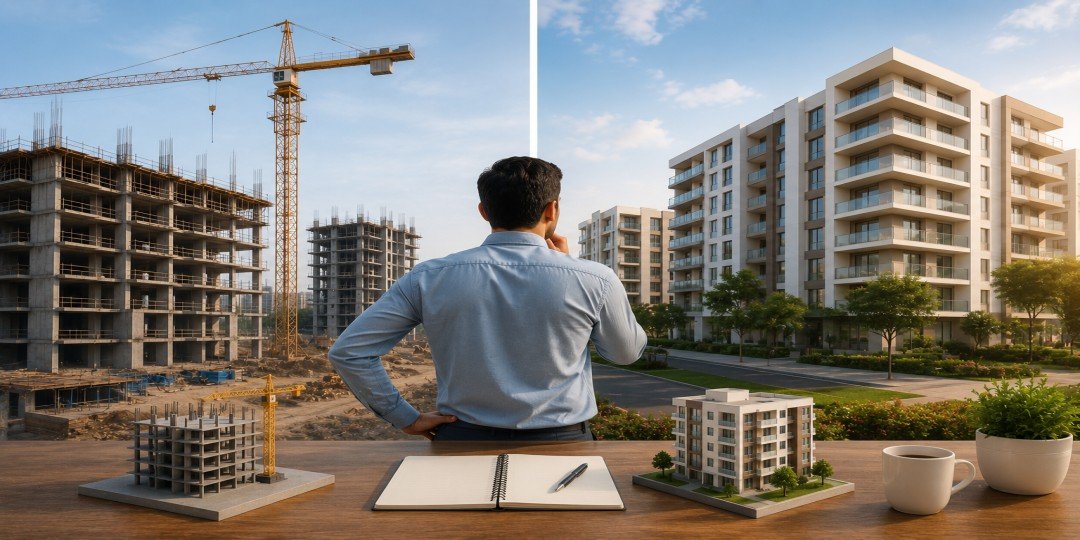
Buying a home is one of the biggest financial decisions you’ll make. While choosing the right location, builder, and budget matters, another important question often creates confusion: Should you buy an under-construction flat or a ready-to-move flat?
Both options offer unique advantages. The right choice depends on your financial situation, timeline, investment goals, and risk appetite. If you plan to buy a home in Pune, understanding the differences can help you make a confident and informed decision.
In this guide, we’ll compare under construction flats in Pune and ready to move flats in Pune, explain the pros and cons of each, and help you decide which option fits your needs.
Why This Decision Matters
A home purchase is more than selecting a floor plan or enjoying a balcony view. It affects your finances for years. Buying the wrong type of property may lead to unnecessary costs, delayed possession, or limited flexibility.
The good news? Both under-construction and ready-to-move homes can be excellent choices when you evaluate them carefully.
Think of it this way: choosing between them is like deciding between ordering a custom-made suit and buying one that’s ready to wear. Both can fit perfectly; the difference lies in how much time you’re willing to wait.
What Is an Under-Construction Flat?
An under construction flat is a property that is still being built. Buyers usually purchase it before completion and receive possession after construction finishes.
Developers launch projects in different phases, giving buyers multiple options in terms of layout, floor preference, and pricing.
If you’re searching for under construction flats in Pune or 2 BHK under construction flats in Pune, you’ll find several projects across growing locations such as Hinjawadi, Tathawade, Kiwale, Ravet, Moshi, and Wagholi.
Advantages of Under-Construction Flats
Lower Initial Purchase Price
Developers often introduce attractive launch prices during the early stages of construction. This gives buyers an opportunity to purchase homes at comparatively lower prices than completed projects.
Flexible Payment Structure
One major advantage is the RERA payment schedule for under construction flat purchases.
Under the Real Estate (Regulation and Development) Act (RERA), builders can collect payments according to construction milestones. Buyers do not have to pay the full amount upfront, making cash flow easier to manage.
Better Appreciation Potential
Properties purchased during the early construction phase often have greater potential for price appreciation by the time the project reaches completion, especially in rapidly developing areas.
More Unit Choices
Early buyers usually get access to better floor selections, preferred views, larger balconies, and favorable unit locations.
Things to Consider Before Buying an Under-Construction Flat
Buying a flat under construction also requires careful evaluation.
- Construction timelines may change due to regulatory approvals, weather conditions, or supply chain challenges.
- Buyers may continue paying rent while servicing a home loan until possession.
- It is important to verify the builder’s reputation, financial stability, and project delivery history.
Always verify the project’s RERA registration before making a booking.
What Is a Ready-to-Move Flat?
A ready to move flat is a completed home where buyers can immediately take possession after completing the purchase process.
There is no waiting period for construction to finish, making it an attractive option for homebuyers who need immediate housing.
Many buyers looking for ready to move flats in Pune prefer this option because they can physically inspect the property before making the final decision.
Advantages of Ready-to-Move Flats
Immediate Possession
This remains the biggest benefit. You can move into your new home soon after completing the legal formalities.
No Construction Risk
Since construction is complete, buyers know exactly what they are purchasing. There are no surprises regarding layout, amenities, or finishing quality.
Easier Property Inspection
Unlike an under-construction project where buyers rely on brochures and sample flats, completed homes allow you to inspect every detail personally.
No Waiting for Amenities
Clubhouses, gardens, parking areas, lifts, and security systems are generally operational when possession begins.
Things to Consider Before Buying Ready-to-Move Flats
Although ready to move flats offer convenience, buyers should also consider a few points.
- Purchase prices may be higher than similar under-construction projects.
- Unit availability may be limited.
- Customization opportunities are usually minimal because construction has already finished.
Under-Construction vs Ready-to-Move Flats: Quick Comparison
| Factor | Under-Construction Flat | Ready-to-Move Flat |
| Purchase Price | Usually lower during launch | Generally higher |
| Possession | Future date | Immediate |
| Payment | Construction-linked payment plan | Full payment at purchase |
| Customization | More flexibility during construction | Limited |
| Investment Potential | Higher appreciation potential | Stable appreciation |
| Risk | Depends on project execution | Lower construction-related risk |
| Site Inspection | Sample flat or project visit | Actual completed home |
Which Option Is Better for Homebuyers in Pune?
Choose under construction flats in Pune if you:
- Want better pricing.
- Plan for long-term investment.
- Can wait for possession.
- Prefer flexible payment options.
Choose ready to move flats in Pune if you:
- Need immediate possession.
- Want complete clarity before purchase.
- Wish to avoid construction-related uncertainty.
- Plan to shift into your home soon.
Important Checklist Before Buying Any Flat
Regardless of your choice, always complete these checks before booking.
- Verify RERA registration.
- Review project approvals.
- Check the builder’s previous completed projects.
- Understand maintenance charges.
- Read the sale agreement carefully.
- Evaluate connectivity, schools, hospitals, and daily conveniences nearby.
- Confirm loan approval from reputed banks.
Doing this research protects your investment and helps you avoid unnecessary complications later.
Final Thoughts
Choosing between an under construction flat and a ready to move flat depends on your personal goals rather than a single “best” option.
If you value affordability, future appreciation, and flexible payments, an under-construction property may suit you well. Understanding the RERA payment schedule for under construction flat purchases also helps you plan your finances better.
If immediate possession, certainty, and convenience matter most, ready to move flats remain a practical choice.
Take time to compare projects, verify legal documents, inspect the builder’s track record, and calculate your total ownership cost. A well-informed decision today can lead to a comfortable home and a stronger investment tomorrow.
Frequently Asked Questions (FAQs)
1. Are under-construction flats cheaper than ready-to-move flats?
In many cases, yes. Developers often launch projects at competitive prices during the early stages of construction. However, the final cost depends on location, project specifications, and market demand.
2. What is the RERA payment schedule for an under-construction flat?
Under RERA, builders can generally collect payments based on construction milestones mentioned in the agreement. This improves transparency and reduces the risk of excessive upfront payments.
3. Is buying an under-construction flat safe?
Yes, provided you verify the project’s RERA registration, legal approvals, builder reputation, and financial credibility before booking.
4. Why do buyers prefer ready-to-move flats in Pune?
Many buyers prefer ready to move flats in Pune because they can inspect the completed property, take immediate possession, and avoid construction delays.
5. Which is better for investment: under-construction or ready-to-move flats?
Under-construction properties may offer stronger appreciation potential if purchased in a growing location. Ready-to-move homes provide immediate usability and lower execution risk. The better choice depends on your investment timeline and financial goals.